
Bed bugs are among the most challenging pests to identify and eliminate. Their ability to hide in tiny crevices and reproduce rapidly makes them difficult to detect until an infestation is well established. A professional bed bug inspection is the first and most critical step in controlling and preventing these pests. Done correctly, it allows early detection, targeted treatment, and safer outcomes for residents and property owners alike.
Unlike other pests, bed bugs do not spread disease directly, but their presence causes anxiety, sleep disturbance, and allergic reactions. Effective inspections require patience, experience, and the right tools, ensuring the problem is identified before it escalates.
Understanding the Importance of Professional Bed Bug Inspection
A bed bug inspection differs from general pest evaluations. These pests are elusive, nocturnal, and often mistaken for other insects. Missing early signs allows them to spread from one room to another, turning a minor presence into a property-wide issue.
Professional inspections offer several key advantages:
- Accurate detection. Trained specialists know how to spot early infestations that are invisible to untrained eyes.
- Safe and effective methods. Proper tools and inspection protocols prevent unnecessary contamination or chemical misuse.
- Tailored treatment plans. Once detected, professionals can design precise strategies for removal, minimizing disruption.
- Preventive insights. Inspectors can advise on reducing clutter and modifying conditions that attract pests.
Because bed bugs reproduce quickly and can survive for months without feeding, prompt detection and professional assessment are vital to preventing large-scale infestations.
Common Hiding Spots and Early Signs of Bed Bugs
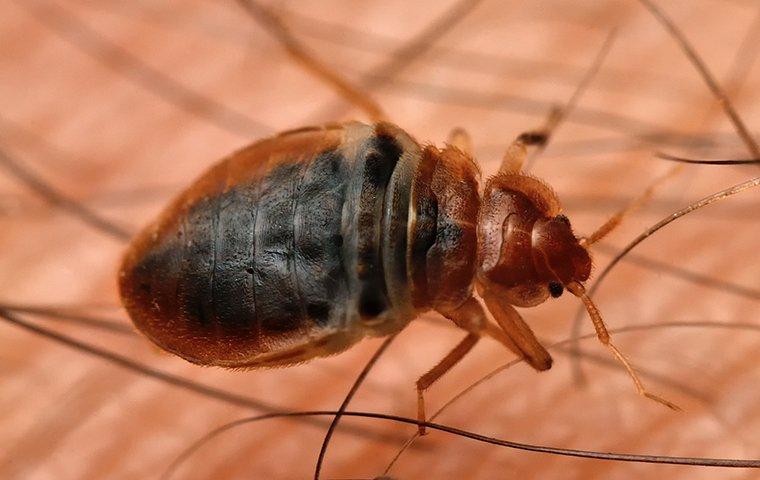
Bed bugs are experts at hiding close to where people sleep or rest. They are small, reddish-brown insects that feed on human blood, typically during nighttime hours. Inspections often focus on warm, dark areas within a few feet of a bed or upholstered furniture.
During a detailed bed bug inspection, professionals examine:
- Mattress seams and box springs. Tiny dark spots, shed skins, or live insects may indicate activity.
- Headboards and bed frames. Cracks, joints, and screw holes provide ideal hiding places.
- Furniture and upholstery. Couches, recliners, and chairs near sleeping areas are frequent nesting sites.
- Baseboards and wall outlets. Bed bugs travel along edges and can nest behind loose wallpaper or electrical covers.
- Curtains and carpets. These materials trap insects, droppings, and eggs.
Homeowners might first notice reddish stains on bedding, small bites in clusters, or a sweet, musty odor. However, these clues can be misleading, as other insects or skin conditions can cause similar symptoms. A professional inspection remains the most reliable way to confirm their presence.
To reduce future risks, consider reading this practical guide on bed bug prevention tips, which outlines ways to minimize exposure in shared spaces and multi-unit properties.
Essential Tools and Methods Used During Professional Inspections
A safe and thorough bed bug inspection involves both visual checks and specialized detection equipment. Each tool serves a specific purpose in locating pests that are otherwise hidden from sight.
Professionals commonly use:
- Flashlights and magnifiers. High-powered lights reveal tiny eggs, nymphs, and droppings in small crevices.
- Inspection cards and spatulas. Thin tools slide into seams and cracks to detect hidden insects.
- Encasements and traps. Monitoring devices placed under bed legs help confirm the presence of bed bugs over time.
- Canine detection. Specially trained dogs can detect infestations through scent, particularly in large properties.
- Temperature and moisture meters. These tools identify ideal nesting spots where pests thrive.
The inspection process is systematic, moving from the bed outward, covering all furniture, closets, and nearby rooms. This method ensures that even low-level infestations are discovered before they expand.
Safety Considerations During a Bed Bug Inspection
While bed bug inspections are non-invasive compared to treatment, safety is still essential. Inspectors must avoid spreading insects between rooms or properties and ensure that furniture and personal items remain undamaged.
Key safety protocols include:
- Avoiding cross-contamination. Professionals wear disposable gloves and protective covers when moving between areas.
- Minimizing disturbance. Handling items carefully prevents scattering insects or eggs.
- Using eco-friendly detection aids. Monitors and traps that avoid harmful chemicals keep spaces safe for occupants and pets.
- Educating homeowners. Clear communication helps residents understand what to expect and how to prepare for inspection day.
An effective inspection requires controlled movement, awareness of potential hiding zones, and precise identification of insect evidence. DIY inspections, while tempting, can lead to overlooked signs or the accidental spread of pests. For complex infestations, professional oversight ensures safety and accuracy at every stage.
Challenges and Evolving Techniques in Bed Bug Detection
Bed bugs have become more resilient in recent years due to genetic resistance and environmental adaptation. This evolution makes routine inspection and professional expertise even more important. Modern detection methods rely on a combination of science, technology, and behavioral understanding to keep pace with their changing habits.
Some of the current challenges include:
- Resistance to treatments. Certain bed bug populations have developed tolerance to common pesticides, requiring integrated control approaches.
- Hidden infestations. Increased travel and secondhand furniture trade make infestations harder to trace.
- Misidentification. Other pests, such as carpet beetles, are often mistaken for bed bugs, delaying proper treatment.
Newer detection strategies, such as infrared imaging and advanced trapping systems, continue to improve early identification. Professionals also stay updated on emerging research, like this discussion on pesticide resistance risks, which explains how adaptability impacts long-term pest control effectiveness.
Ensure Accurate Results Through Expert Inspection
Bed bugs can enter any home, regardless of cleanliness or location. The real difference lies in how quickly they are detected and addressed. Early and safe inspection practices not only reduce costs but also protect health and comfort.For precise, professional detection and effective treatment planning, contact Peace of Mind Pest Control, Inc. to schedule a comprehensive bed bug inspection and restore comfort to your home with expert care.


