
Rodents are often associated with visible signs such as droppings or scratching noises, yet much of the damage they cause remains hidden. Behind walls, beneath floors, and within insulation, rodents can quietly alter the structure of a property over time. This type of damage develops gradually, making it difficult to detect until it becomes more serious.
Understanding how rodents interact with building materials helps explain why rodent control is essential. Their behavior is driven by constant movement, nesting, and the need to chew. These habits, while natural to them, can create lasting effects on the integrity of a structure.
Why Rodents Target Structural Areas
Rodents do not enter structures randomly. They seek out areas that provide shelter, warmth, and access to food sources. Once inside, they tend to settle in spaces that are rarely disturbed.
- Wall voids offer protection and allow rodents to move freely without being seen
- Attics provide insulation and warmth, making them ideal nesting locations
- Crawl spaces create easy access to plumbing, wiring, and structural components
- Storage areas offer materials for nesting and concealment
These locations allow rodents to remain active without detection. Because these spaces are not part of daily activity, damage can continue unnoticed for extended periods.
Their ability to adapt to indoor environments makes them particularly difficult to manage without a structured approach.
The Hidden Damage Rodents Leave Behind
Rodents cause structural damage in ways that are not always immediately visible. Their constant need to chew and build nests leads to the gradual deterioration of materials.
- Electrical wiring can be chewed, increasing the risk of malfunction or fire hazards
- Wooden structures may be weakened as rodents gnaw through beams and supports
- Insulation can be torn apart and displaced, reducing its effectiveness
- Plumbing components may be damaged, leading to leaks or moisture buildup
This type of damage often develops slowly, which makes it easy to overlook. By the time issues become noticeable, the underlying problem may already be extensive.
In commercial settings, these risks can affect daily operations as well. This connection is explored further in this resource on spring pest business risks, where hidden activity can lead to larger concerns over time.
How Rodent Activity Spreads Within a Structure
Once rodents establish themselves, their activity rarely remains confined to one area. They move through a structure using established pathways, expanding their reach as they search for resources.
- They travel through walls and ceilings, connecting multiple areas of the property
- They create nesting sites in different locations to support their activity
- They follow plumbing and wiring routes, increasing the range of potential damage
- They adapt to changes in the environment, shifting their activity as needed
This movement allows rodents to affect multiple parts of a structure without being easily detected. What begins as localized activity can quickly develop into a more widespread issue.
Because their presence is often hidden, understanding the extent of the problem requires more than surface observation.
Signs of Structural Damage That Are Easy to Miss
While some signs of rodent activity are visible, many indicators of structural damage remain subtle. Recognizing these early signs can help prevent more significant issues.
- Unexplained increases in energy costs due to damaged insulation
- Intermittent electrical issues caused by compromised wiring
- Faint scratching or movement sounds within walls or ceilings
- Small openings or gaps that appear along baseboards or structural edges
These signs often seem minor at first. However, they can indicate ongoing activity that continues to affect the structure over time.
Because rodents are active at night and remain hidden during the day, their presence may not be immediately obvious. This makes early detection more challenging.
Why Professional Rodent Control Is Critical
Addressing rodent-related structural damage requires more than removing visible activity. It involves identifying where rodents are active, understanding how they move, and addressing the conditions that allow them to remain within a structure.
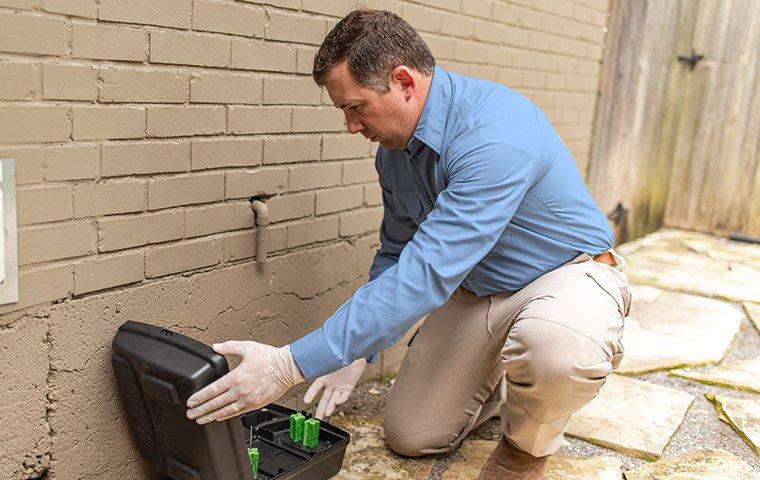
Professional rodent control focuses on a comprehensive evaluation of the property. This includes locating entry points, assessing areas of damage, and identifying nesting sites that may not be immediately visible. By taking this approach, it becomes possible to address both the current infestation and the factors that support it.
In addition, follow-up measures play an important role in maintaining results. Ongoing monitoring and adjustments help ensure that rodents do not return or establish new activity. This process is highlighted in this guide on follow-up pest care, where continued attention supports long-term protection.
Because rodents can cause damage over time, addressing the issue early helps reduce long-term impact and supports the stability of the structure.
When Hidden Damage Becomes Noticeable
Rodent damage often remains out of sight until it reaches a point where it affects daily use. By the time this happens, repairs may become more complex.
Recognizing early signs allows for more controlled and effective solutions.
Protect What Holds Your Home Together
When rodent activity begins to affect your property, a thorough approach is essential. Contact Peace of Mind Pest Control, Inc. for rodent control solutions designed to protect your home from hidden structural damage.


