
Spring brings warmer temperatures, blooming landscapes, and more time outdoors for pets. Unfortunately, it also marks the beginning of peak flea activity. As flea populations rise in yards and surrounding areas, pets become easy hosts. What may begin as occasional scratching can quickly turn into a persistent infestation affecting both animals and the home.
From a professional standpoint, flea problems are rarely confined to a single pet. They involve a complex life cycle that requires targeted treatment. Professional flea control addresses the entire environment, which is why it consistently delivers better results than surface-level approaches.
Why Fleas Become More Active in Spring
Fleas thrive in moderate temperatures and increased humidity. As winter conditions fade, dormant eggs begin to hatch, and outdoor populations expand.
Spring activity is influenced by several factors:
- rising soil temperatures that accelerate egg development
- increased wildlife movement carrying fleas into yards
- pets spending more time outdoors
- shaded landscaping that retains moisture
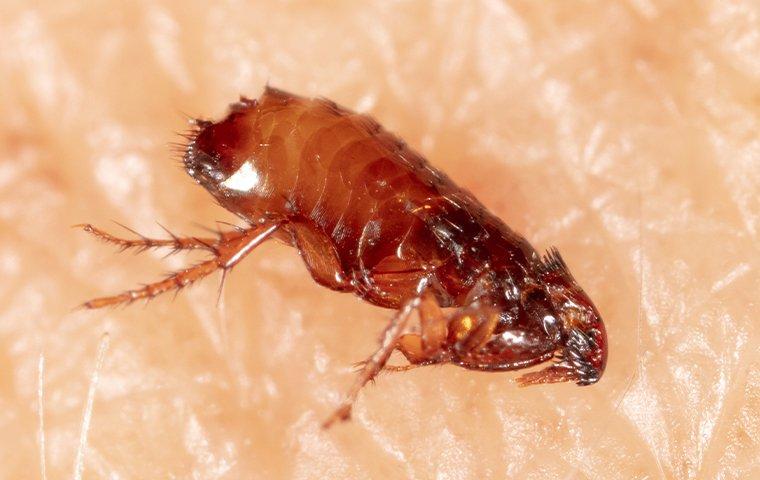
Fleas are highly adaptive. Adult fleas feed on blood, but eggs, larvae, and pupae often remain hidden in carpets, bedding, and yard debris. This makes early infestations difficult to detect.
Understanding how fleas enter and spread is essential for control. This overview of flea and tick origins explains how infestations often begin long before visible symptoms appear.
Professional flea control focuses on interrupting the life cycle at multiple stages, not just eliminating adult fleas.
The Hidden Flea Life Cycle Inside Your Home
One of the most common misconceptions about flea infestations is that they exist primarily on pets. In reality, pets represent only a small portion of the problem.
The flea life cycle includes:
- eggs that fall into carpet fibers and upholstery
- larvae that feed on organic debris in hidden areas
- pupae that remain dormant and resistant to many treatments
- adult fleas that jump onto pets to feed
Because only a small percentage of fleas are visible at any given time, treating pets alone does not eliminate the infestation. Eggs and larvae continue developing in the environment, leading to recurring outbreaks.
Professional flea control involves a thorough assessment of indoor and outdoor spaces. Technicians evaluate carpeting, baseboards, furniture, and yard conditions to identify where treatment is needed most.
By addressing all life stages simultaneously, professionals significantly reduce the likelihood of reinfestation.
Why Store-Bought Solutions Often Fall Short
Many pet owners begin with over-the-counter sprays or topical treatments. While these products may reduce visible fleas temporarily, they rarely resolve the full infestation.
Limitations of surface-level methods include:
- failure to reach deep carpet fibers where eggs accumulate
- incomplete coverage of outdoor breeding areas
- lack of growth regulators to interrupt development
- inconsistent application that leaves untreated pockets
Improper treatment can also cause fleas to spread to new areas of the home. When adult fleas are disrupted but not eliminated, they may relocate to quieter spaces such as bedrooms or upholstered furniture.
Professional flea control strategies rely on calibrated application methods and products designed to target both adults and immature stages. This precision minimizes unnecessary exposure while maximizing effectiveness.
In addition to fleas, homes may experience issues with ants, spiders, cockroaches, rodents, wasps, ticks, and other common pests. Addressing moisture and sanitation concerns during flea treatment can help reduce favorable conditions for multiple pest types.
What Flea Activity Reveals About Your Living Space
Flea infestations often indicate underlying environmental factors that support pest survival. Moisture, clutter, and wildlife access points can contribute to recurring issues.
Key environmental contributors include:
- shaded landscaping near foundations
- unsealed crawl spaces
- pet bedding that retains moisture
- wildlife nesting near the property
- accumulated debris in yards
Fleas rarely exist in isolation. Their presence may suggest broader pest vulnerabilities within the home. This insight is explored in signs of infestation issues, which explains how pest activity can reflect structural or environmental conditions.
Professional evaluation considers the entire property ecosystem. By identifying contributing factors, technicians reduce the likelihood of repeat outbreaks during the same season.
Spring is particularly important for proactive management. Early intervention prevents flea populations from expanding during peak summer months.
Why Professional Flea Control Protects Pets More Effectively
Pets suffer most visibly from flea infestations. Persistent scratching can lead to skin irritation, hair loss, and allergic reactions. Young animals and older pets may experience additional health stress.
Professional flea control offers advantages that directly benefit pets:
- comprehensive indoor and outdoor treatment
- use of growth regulators to break the flea life cycle
- strategic timing based on seasonal activity
- reduction of reinfestation risk
- expert guidance on prevention measures
By reducing environmental flea populations, professionals limit the number of adult fleas that can feed on pets. This creates a more stable and comfortable living environment.
Effective flea management is not simply about eliminating visible pests. It is about preventing recurrence and protecting the health of animals and household members.
Professional involvement ensures that treatment is thorough, balanced, and aligned with regional pest patterns. This level of oversight is especially valuable during spring, when populations can escalate quickly.
Give Your Pets a Healthier Season
Fleas multiply rapidly in spring, and early action makes a meaningful difference. Comprehensive professional flea control targets the source of infestation and supports long-term relief for pets and homes.For reliable protection this season, contact Peace of Mind Pest Control, Inc. to schedule a professional assessment and treatment plan.


