

Spider webs are usually associated with warmer months, when insects are abundant and outdoor activity is high. Seeing spider webs indoors during winter can feel unusual, but from a pest control perspective, this timing is especially important. Winter spider webs rarely exist on their own. Instead, they often signal underlying pest activity that has shifted indoors as temperatures drop.
Spiders follow food. When insects move inside for warmth and shelter, spiders quickly follow and establish webs where prey is most reliable. Understanding this relationship helps explain why winter webs are often an early warning sign of broader pest problems rather than a minor seasonal nuisance.
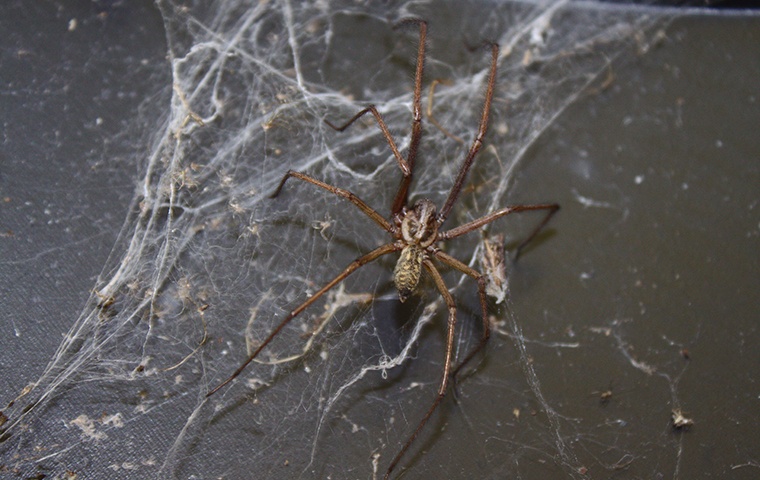
Why spiders remain active indoors during winter
Cold weather limits outdoor insect populations, but indoor environments remain stable year-round. Heating systems, insulation, and enclosed spaces create conditions that allow both insects and spiders to stay active through winter.
- Indoor heating provides consistent temperatures for survival
- Enclosed spaces protect spiders from outdoor exposure
- Reduced outdoor competition concentrates activity inside structures
- Stable environments allow webs to remain undisturbed longer
Spiders are opportunistic. When they remain active indoors during winter, it usually means food sources are steady enough to support them. This is why winter spider webs tend to appear in quiet, undisturbed areas rather than high-traffic spaces.
What spider webs reveal about hidden insect activity
Spider webs act as indicators rather than the primary issue. Their presence often reflects an indoor insect population that has become more concentrated during winter. Spiders do not invest energy building webs where prey is scarce.
- Webs near ceilings and corners often indicate flying insects
- Webs in basements suggest moisture-associated pest activity
- Webs near windows and vents point to common insect entry routes
- Frequent web rebuilding signals ongoing prey availability
During winter, insects are less visible because they hide inside wall voids, insulation, and utility areas. Spiders place webs near these hidden travel paths. Removing webs without addressing the insect population rarely changes long-term conditions, which is why winter spider activity often persists.
How winter spider webs connect to larger pest cycles
Winter spider webs are usually part of a broader seasonal pest cycle. As outdoor temperatures fall, insects seek refuge indoors. Spiders follow that migration and establish webs where insect movement is predictable.
This cycle explains why spider webs often return shortly after removal. Without reducing the insect population supporting them, spiders simply relocate or rebuild. Effective pest control focuses on breaking this cycle rather than reacting to individual pests.
Understanding how professional follow-up treatments support long-term results helps clarify why winter spider issues often persist when only surface-level action is taken. Addressing the full pest ecosystem reduces the conditions that allow spiders to remain active indoors throughout winter.
Why winter inspections matter more than web removal
Winter provides a unique opportunity to identify pest activity that might go unnoticed during warmer months. Spider webs offer visible clues that pests have already adapted to indoor environments.
- Indoor webs indicate sustained insect presence
- Web placement helps identify hidden pest pathways
- Winter activity shows which pests have established shelter
- Early detection limits population growth before spring
A thorough evaluation during colder months allows underlying issues to be addressed before pest populations expand. Learning why winter pest inspections are critical helps explain why spider webs should not be dismissed as cosmetic concerns. They often appear before more obvious infestations develop.
Professional inspections focus on identifying entry points, nesting areas, and environmental conditions that support insects and spiders alike. This approach prevents issues from escalating once warmer weather returns.
Why professional pest management resolves the full issue
Spiders are not the root problem in most winter infestations. They are indicators of an indoor environment that supports insect activity during colder months. Professional pest management addresses the conditions that allow spiders and their prey to remain active rather than focusing only on visible webs.
- Insect populations are reduced at the source
Professional treatment targets the insects that sustain spider activity, including those hidden in wall voids, insulation, and utility areas. Reducing prey availability naturally limits spider presence without relying on repeated surface removal. - Entry routes are identified and addressed
Inspections focus on how insects and spiders enter structures as temperatures drop. Sealing and exclusion strategies help prevent continued migration from exterior areas into warm indoor spaces. - Environmental conditions that attract pests are corrected
Moisture sources, temperature inconsistencies, and structural gaps are evaluated and addressed. These conditions often support winter pest survival and allow spiders to establish long-term web placement. - Ongoing monitoring prevents recurring winter activity
Professional management includes follow-up evaluation to ensure conditions remain unfavorable for pests as winter progresses. Monitoring helps detect changes early and prevents new infestations from developing unnoticed.
This comprehensive approach breaks the seasonal pest cycle rather than managing symptoms. By addressing insects, access points, and environmental factors together, professional pest management creates indoor conditions that are less supportive of winter pest activity. As a result, spider webs become less frequent, and broader pest pressure is reduced throughout the cold season and beyond.
When winter webs point to something more
Spider webs appearing in winter often signal hidden pest activity that deserves attention. For professional evaluation and long-term pest protection, contact Peace of Mind Pest Control, Inc..


