

Black widow spiders are among the most recognized arachnids due to their glossy black bodies and the iconic red hourglass marking on females. Their venomous bite has made them infamous, but their behavior is often misunderstood. Knowing where black widow spiders prefer to live is essential for avoiding dangerous encounters and ensuring effective management. These spiders are secretive, choosing dark, undisturbed environments where they can weave their irregular webs and wait for prey.
Understanding their habitat preferences helps homeowners and property managers identify risk areas, prevent infestations, and maintain safe surroundings. By focusing on where black widow spiders thrive, people can reduce the likelihood of coming across them unexpectedly. This knowledge is especially important in areas where these spiders are more common, such as warm climates with mild winters, where they are active year-round.
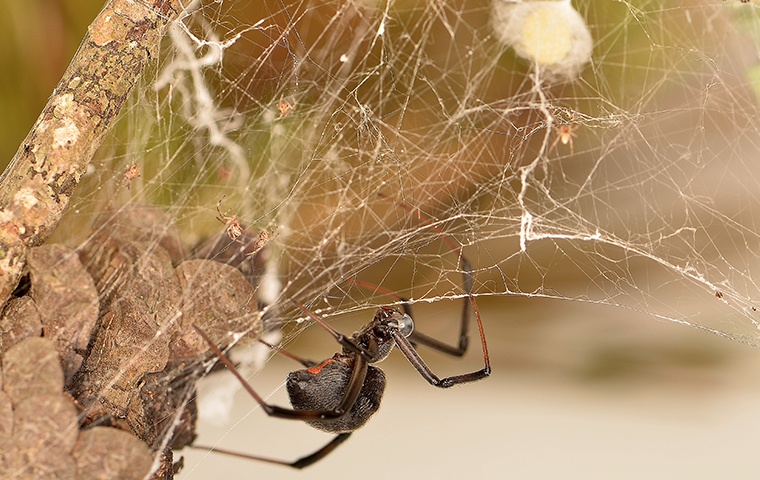
Outdoor Habitats That Support Black Widows
In their natural environment, black widow spiders thrive in sheltered, dark outdoor spaces. They prefer areas where human activity is minimal but where prey insects are abundant. Their webs are not neat, circular constructions like those of orb-weaving spiders, but instead irregular, tangled structures built low to the ground or close to hiding spots.
Common outdoor habitats include:
- Woodpiles and lumber stacks: Provide crevices and shade perfect for web building.
- Rock piles and stone walls: Natural cracks offer secluded shelters.
- Garden sheds and garages: Especially when cluttered or seldom used.
- Fence posts and outdoor furniture: Spaces underneath serve as hiding spots.
- Bushes and shrubs: Dense vegetation provides cover and attracts prey.
These environments allow black widow spiders to remain hidden while maintaining access to food sources like beetles, flies, and ants. They also use outdoor clutter, such as unused gardening tools or stacked materials, as additional cover. Learning how to spot and eliminate nests safely helps minimize risks in outdoor areas.
Indoor Hiding Places
When outdoor conditions become harsh, black widow spiders may venture indoors. They are not aggressive by nature but will defend themselves if disturbed. Indoors, they gravitate toward quiet, dark spaces where they are less likely to be noticed.
Preferred indoor hiding spots include:
- Basements and crawl spaces: Dark and humid, with ample structural gaps.
- Storage areas: Cluttered boxes, unused equipment, and piles of fabric attract them.
- Garages and workshops: Especially corners with stacked items or limited light.
- Under furniture: Rarely moved furniture provides suitable shelter.
- Closets or utility rooms: Quiet and secluded areas are often overlooked.
They are often found near floor-level in shadowy corners rather than up high. Black widows indoors are usually accidental intruders, but they can establish themselves if conditions remain favorable. Regular inspections in seldom-used spaces reduce the likelihood of dangerous encounters.
Environmental Factors That Influence Habitats
Certain conditions make specific environments more attractive to black widow spiders. These factors explain why they are commonly found in areas both inside and outside homes.
Habitat preferences are shaped by:
- Darkness: They avoid direct sunlight and choose shaded environments.
- Shelter: Secluded areas offer protection from predators and disturbances.
- Moisture: Moderate humidity supports both spiders and their insect prey.
- Temperature: Warmth encourages web-building and prey availability.
- Food supply: Abundant insects are essential for survival.
A shed filled with clutter, a damp basement, or a pile of wood left unattended all meet these conditions. These factors overlap with areas that are often cluttered or neglected. Maintaining sanitation and reducing clutter directly impacts black widow habitats by eliminating their preferred conditions.
Health and Safety Risks Linked to Black Widow Habitats
While most spiders are harmless, black widow spiders are medically significant due to their venom. Although bites are rare and fatalities are extremely uncommon, their venom can cause painful reactions. Understanding where they live reduces the chance of accidental contact.
Risks associated with their habitats include:
- Accidental bites: Often occur when moving wood, gardening, or reaching into dark spaces.
- Venom effects: Muscle pain, cramping, and sweating are possible symptoms.
- Household danger: Unsupervised children or pets may be more vulnerable.
- Outdoor risks: Working in sheds, garages, or yards increases exposure.
- Stress and fear: The presence of black widows can create anxiety for residents.
Because these spiders prefer secluded areas, bites typically happen when people unknowingly disturb them. Wearing gloves and being cautious when working in areas where they may hide is important for safety. Additionally, knowing how to recognize their messy webs and distinct body markings can help avoid direct contact.
Reducing Black Widow Habitats
Preventing infestations requires limiting the conditions that attract black widow spiders. While they are beneficial predators of insects, their presence near homes can create unnecessary risk.
Effective prevention strategies include:
- Decluttering storage areas: Regular cleaning removes potential hiding spots.
- Sealing entry points: Cracks and gaps around foundations, windows, and doors should be closed.
- Maintaining yards: Trimming vegetation and keeping firewood away from homes reduces outdoor habitats.
- Improving lighting: Installing outdoor lights discourages insects, indirectly reducing spiders.
- Monitoring regularly: Inspections of basements, garages, and sheds help catch issues early.
These steps reduce the environments black widow spiders prefer, making properties less attractive to them overall. Combining these measures with professional support ensures long-term success, especially for properties where black widow sightings are common.
Keep Your Home and Yard Safe
Black widow spiders thrive in dark, cluttered, and secluded environments both indoors and outdoors. By understanding their habitat preferences and taking preventive measures, homeowners can reduce risks and ensure safer living spaces. For expert assistance in managing spider activity, contact Peace of Mind Pest Control, Inc. and protect your property with proven solutions.


