
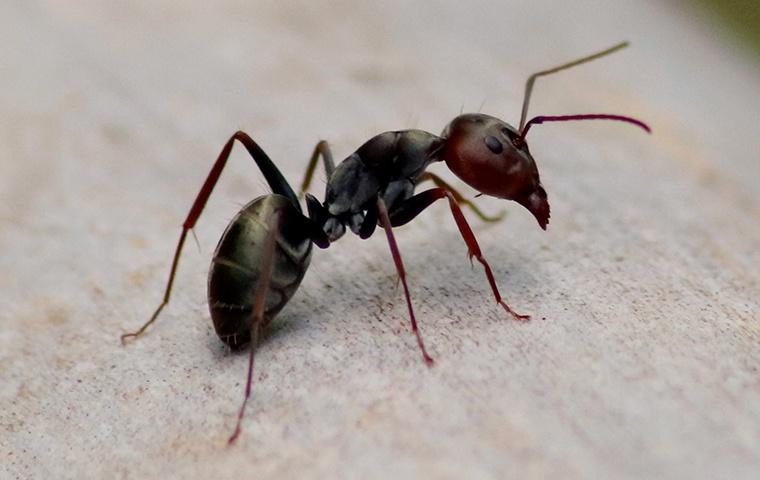
Ants are one of the most common household pests, and while a single scout ant may not seem threatening, it often signals a larger problem nearby. An ant infestation can disrupt daily life, contaminate food, and in some cases, damage property. Effective ant prevention is about more than temporary fixes; it requires a layered approach that addresses both the conditions attracting ants and the pathways they use to access your home.
Ant colonies are highly organized and can adapt quickly to changing environments. Once they establish a reliable food or water source, they leave behind pheromone trails that guide hundreds, sometimes thousands, of other ants straight to the same location. This means that ignoring even minor activity can allow the problem to grow rapidly. Preventing this chain reaction requires both environmental management and a keen awareness of seasonal activity patterns, as certain times of year can trigger higher ant movement and nesting behaviors.
By understanding ant behavior, recognizing warning signs early, and taking targeted steps, you can reduce the likelihood of these pests establishing a foothold in your living space.
Recognizing Early Indicators of Infestation
Identifying ant activity early is essential to stop a small problem from becoming a widespread issue. Early detection allows you to take corrective measures before the colony expands. Common indicators include:
- Regular sightings of scout ants: These foragers are sent to locate food and water sources.
- Consistent ant trails: Visible lines of ants moving to and from entry points usually lead directly to a nest.
- Small mounds near the foundation: Soil or debris piles may indicate an outdoor nest.
- Unexplained food contamination: Ants often target sugary or greasy items left uncovered.
Being able to recognize these signs quickly is key to avoiding full-scale infestations. You can learn more about identifying issues early in this guide to warning signs of an ant problem.
Eliminating Common Attractants
Ant prevention starts with removing the food and water sources that draw ants into your home. Without these resources, colonies have little reason to settle nearby. Key steps include:
- Maintain kitchen hygiene: Wipe countertops regularly, clean spills immediately, and store food in airtight containers.
- Manage waste properly: Keep trash cans sealed and take out garbage frequently to avoid lingering odors.
- Fix leaks and standing water: Repair dripping faucets and eliminate water buildup under sinks or in appliances.
- Clean pet feeding areas: Wash bowls daily and avoid leaving food out overnight.
Reducing attractants creates a less hospitable environment for ants, which is one of the most effective long-term prevention methods.
Securing Entry Points
Even with food sources removed, ants may still explore your property if access points remain open. Physical barriers are a crucial component of any ant prevention plan.
- Inspect and seal cracks: Examine walls, baseboards, and around windows for gaps where ants can enter.
- Install door sweeps: Prevent ants from slipping under doors by adding tight-fitting sweeps.
- Screen vents and openings: Cover attic and crawl space vents with fine mesh to block pests.
- Monitor utility line entries: Seal spaces where cables, pipes, or wires penetrate exterior walls.
A thorough inspection should be repeated seasonally, as shifting weather and settling structures can create new vulnerabilities.
Outdoor Maintenance for Long-Term Control
Your outdoor environment plays a major role in whether ants approach your home in the first place. Yard and exterior maintenance are just as important as indoor measures.
- Trim vegetation: Keep branches and shrubs from touching the exterior, as ants often use them as bridges.
- Create a dry barrier: Maintain a gap between soil or mulch and siding to discourage nesting.
- Address yard debris: Remove piles of wood, leaves, and other materials that provide shelter.
- Maintain proper drainage: Prevent moisture accumulation near the foundation, as damp soil attracts ants.
These strategies also help control other pests, which reduces the likelihood of ant activity around the perimeter.
Choosing Effective Prevention Strategies
Not all prevention methods deliver the same results, and it is important to focus on those that address both immediate and long-term concerns. While some natural deterrents can offer temporary relief, their effectiveness often depends on consistent application and environmental conditions. A deeper understanding of which methods work and which may fall short is essential, as explained in this overview on natural pest control remedies.
When developing a prevention plan, consider:
- Environmental conditions: Warm, dry climates may require different strategies than humid ones.
- Seasonal activity patterns: Ant behavior changes throughout the year, influencing where and when prevention efforts are most needed.
- Colony size and species: Different ant species require different approaches for effective prevention.
These factors determine whether preventive measures are strong enough to keep infestations from developing or returning.
Stay Ahead of the Ant Problem
Consistent ant prevention measures can make the difference between a home that’s pest-free and one that struggles with recurring infestations. For expert guidance and customized solutions to protect your property year-round, contact Peace of Mind Pest Control, Inc. today.


